Introduction
If you are thinking about getting hair extensions, one of the first questions you may ask is: do hair extensions damage your hair?
It is a fair concern. Many women love the idea of fuller, longer hair, but worry about thinning, breakage, pulling, or losing their natural hair after wearing extensions. The truth is simple: hair extensions do not always damage your hair. In many cases, damage happens because of the wrong method, too much weight, tight installation, poor removal, or incorrect aftercare.
For women in the GCC, where heat, humidity, air conditioning and frequent styling can already make hair feel dry or fragile, choosing the right extension type matters even more. This guide explains what really causes damage, what warning signs to watch for, and how to choose safer hair extensions for your natural hair.
The Short Answer: Are Hair Extensions Bad for Your Hair?
No, hair extensions are not automatically bad for your hair. When they are chosen correctly, installed properly, and cared for gently, they can be a safe way to add volume, length or coverage.
However, hair extensions can damage natural hair if they are too heavy, installed too tightly, worn for too long without maintenance, or removed roughly. The goal is not simply to choose the most beautiful extensions, but to choose extensions that match your natural hair density, scalp condition and lifestyle.
What Actually Causes Hair Extension Damage?
Most extension damage does not come from the hair itself. It usually comes from stress on your natural hair and scalp. Here are the most common causes:
-
Too much weight: Heavy extensions can pull on the roots, especially if your natural hair is fine, thin or fragile.
-
Tight installation: Extensions should feel secure, not painful. Tight placement can create tension and breakage around the roots.
-
Wrong method for your hair type: Fine hair, thick hair, short hair and thinning hair do not need the same extension method.
-
Poor removal: Pulling, cutting or forcing extensions out can damage natural strands.
-
Incorrect aftercare: Sleeping with wet hair, rough brushing, heavy oils near attachment points and excessive heat can all increase tangling and shedding.
-
Ignoring maintenance: Semi-permanent extensions need regular adjustment. Leaving them in too long can cause matting or tension.
Signs Your Extensions May Be Damaging Your Hair
If your extensions are causing damage, your scalp and hair will usually give you signs. Pay attention to:
-
Scalp pain or a tight pulling feeling
-
Redness, itching or irritation around the attachment points
-
Breakage near the roots
-
More shedding than usual after brushing
-
Hair feeling thinner after removal
-
Extensions slipping, tangling or matting close to the scalp

If something feels painful or uncomfortable, do not ignore it. Extensions should feel secure, but they should not hurt.
Are Some Hair Extensions Less Damaging Than Others?
The least damaging hair extensions are usually the ones that match your natural hair type and are installed with the right weight and placement. No method is perfect for everyone, so the safest choice depends on your hair condition and styling needs.
| Extension Type | Damage Risk | Best For |
| Clip-In Extensions | Low if removed daily and not worn too tightly | Occasional volume, events and flexible styling |
| Feather Extensions | Lower when lightweight and correctly matched | Fine or medium-density hair needing soft daily volume |
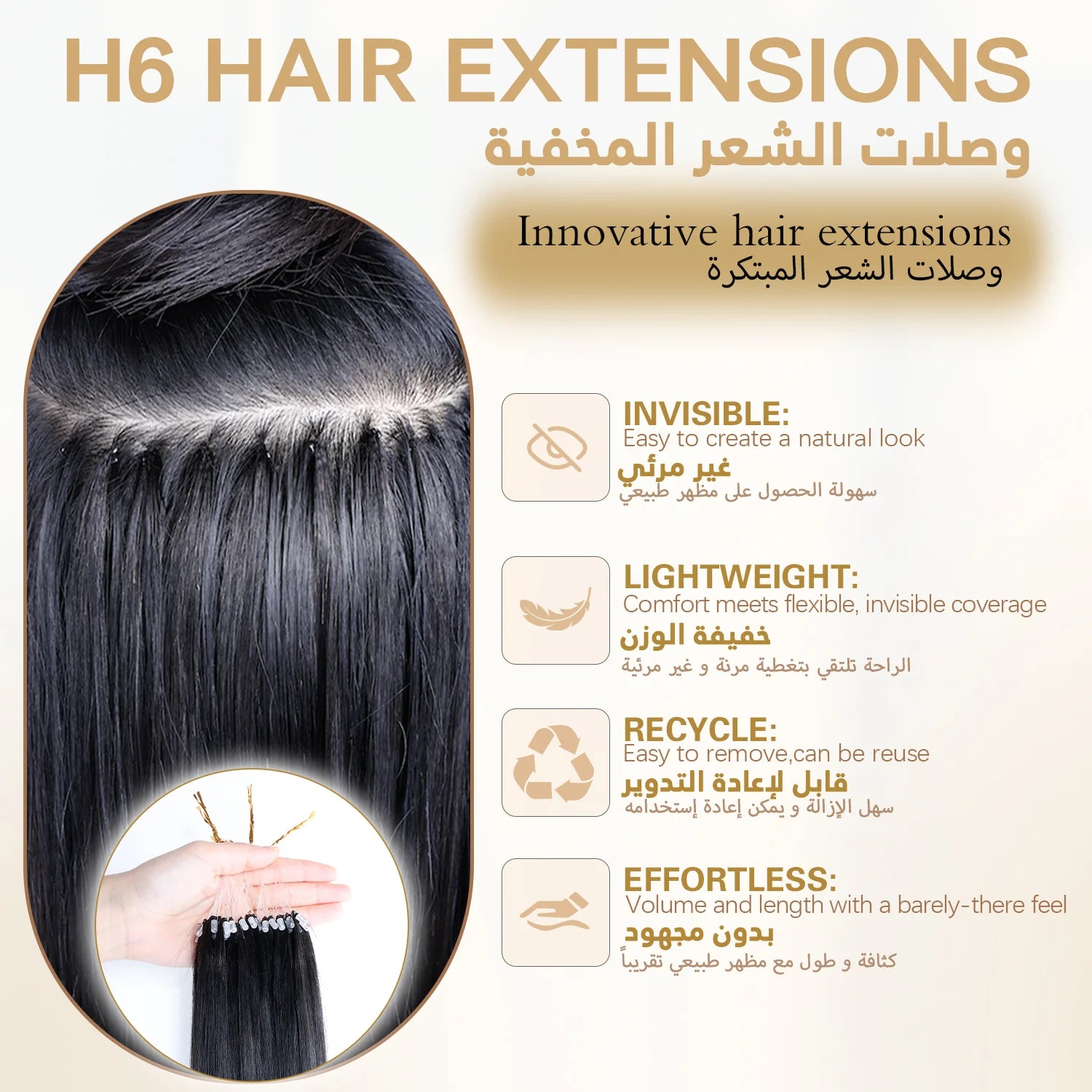
| H6 / Micro Ring Extensions | Low to medium if professionally installed and maintained | Longer wear without glue or heat |
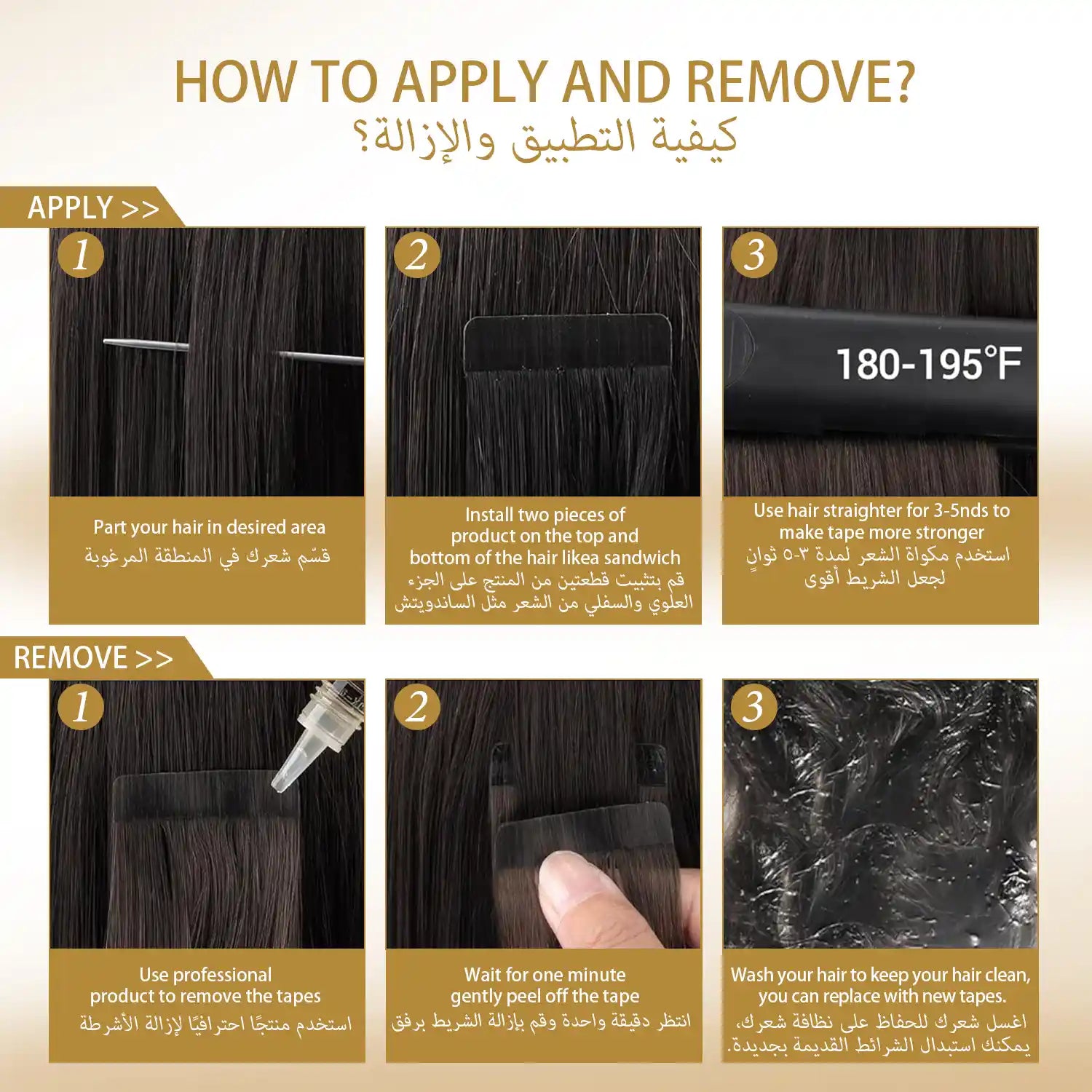
| Tape-In Extensions | Medium if removed poorly or left too long | Flat semi-permanent volume with salon fitting |
| Heavy Wefts | Higher if too heavy for natural hair | Thicker hair that can support more weight |
If you are unsure where to start, removable options such as clip-in hair extensions may be easier for occasional use, while lightweight options such as feather hair extensions may suit customers who want softer volume. For top-area thinning or visible parting, a hair topper may be more suitable than standard extensions.
Can Hair Extensions Damage Thin or Fine Hair?
Thin or fine hair can wear extensions, but it needs more careful selection. The biggest mistake is choosing extensions that are too heavy or too thick for the natural hair to support.
For fine hair, the best approach is usually lightweight, discreet and evenly distributed volume. The attachment should not pull on small sections of hair, and the color should blend well so the extensions do not need to be over-styled to look natural.
If your hair is fragile, recently bleached, shedding heavily, or thinning at the crown, it is better to get advice before choosing an extension method. In some cases, a topper or a lighter extension option may be safer than a heavy full set.

How to Choose Safer Hair Extensions
To reduce the risk of damage, focus on fit rather than just length or thickness.
-
Choose a weight your natural hair can support.
-
Match the extension method to your hair density and scalp condition.
-
Avoid installation that feels painful or too tight.
-
Use professional fitting for semi-permanent methods.
-
Remove extensions gently and never pull them out.
-
Give your hair breaks if your scalp feels sensitive.
For daily wear in warm climates, comfort is especially important. A breathable, lightweight option will usually feel better than a very heavy set, especially during long days, travel or frequent styling.
How to Prevent Damage After Installation
Aftercare is one of the most important parts of keeping your natural hair healthy. Brush gently from the ends upward, avoid sleeping with wet hair, use heat protection before styling, and keep heavy oils or conditioners away from attachment points.
If you wear removable extensions, store them flat or hanging after use. If you wear semi-permanent extensions, follow your stylist’s maintenance schedule and do not leave them in longer than recommended.
For a deeper care routine, you can read our guide on washing, blow-drying and heat styling hair extensions.

So, Do Hair Extensions Damage Your Hair?
Hair extensions can damage your hair if they are too heavy, too tight, poorly installed, badly removed or not cared for properly. But when you choose the right method and treat your hair gently, extensions do not have to damage your natural hair.
The safest choice is the one that suits your real hair — not just the look you want. If you are unsure, send a photo of your hair in natural daylight or visit our team for a consultation. The right extensions should help you feel more confident without putting unnecessary stress on your hair.
FAQ: Hair Extension Damage
Do hair extensions damage your natural hair?
They can, but not always. Damage usually happens when extensions are too heavy, installed too tightly, removed incorrectly or not cared for properly.
Can hair extensions cause hair loss?
Hair extensions can contribute to shedding or breakage if they create too much tension on the roots. If you notice pain, pulling or excessive shedding, remove them and seek professional advice.
What type of hair extensions are least damaging?
The least damaging option depends on your hair type. Lightweight, well-fitted extensions are usually safer than heavy extensions that pull on the roots.
Are clip-in extensions damaging?
Clip-ins are usually low-risk when worn correctly and removed before sleeping. They may cause damage if clipped too tightly, worn every day in the same place, or pulled out roughly.
Are hair extensions safe for thin hair?
Yes, but thin hair needs lightweight extensions and careful placement. Very heavy sets may be too much for fine or fragile hair.
Why does my hair feel thinner after extensions?
This may happen because of breakage, tension, natural shedding trapped in the extensions, or poor removal. If your hair feels noticeably thinner, pause extension use and check your hair health.
How can I prevent damage from hair extensions?
Choose the right weight, avoid tight installation, brush gently, use heat protection, keep attachment points clean, and follow the correct removal and maintenance routine.
Should I remove extensions if my scalp hurts?
Yes. Extensions should not cause pain. If your scalp feels sore, tight or irritated, it is best to remove them or ask a professional to adjust them.